Maya and the Mad Tornado — Book 1 of Maya and the Feeling Folk by Jasmine Howell, PharmD
Available now on Amazon

Maya and the Mad Tornado

Book 1 of Maya & the Feeling Folk
"Mad isn't bad. Mad is information."

A children's mental health workbook for kids ages 6–9, told in Maya's own voice. She's eight, she's brave, she's learning that her anger is a tornado that has something to tell her — and she has tools to help.
Ages
6–9
Format
Workbook
Pages
103
Series
Book 1 of 6
The Feeling Folk

Six kids. Six big feelings.

Each book in the series centers a different child, in a different culture, learning to name and work with a different big feeling. Maya is just the beginning.

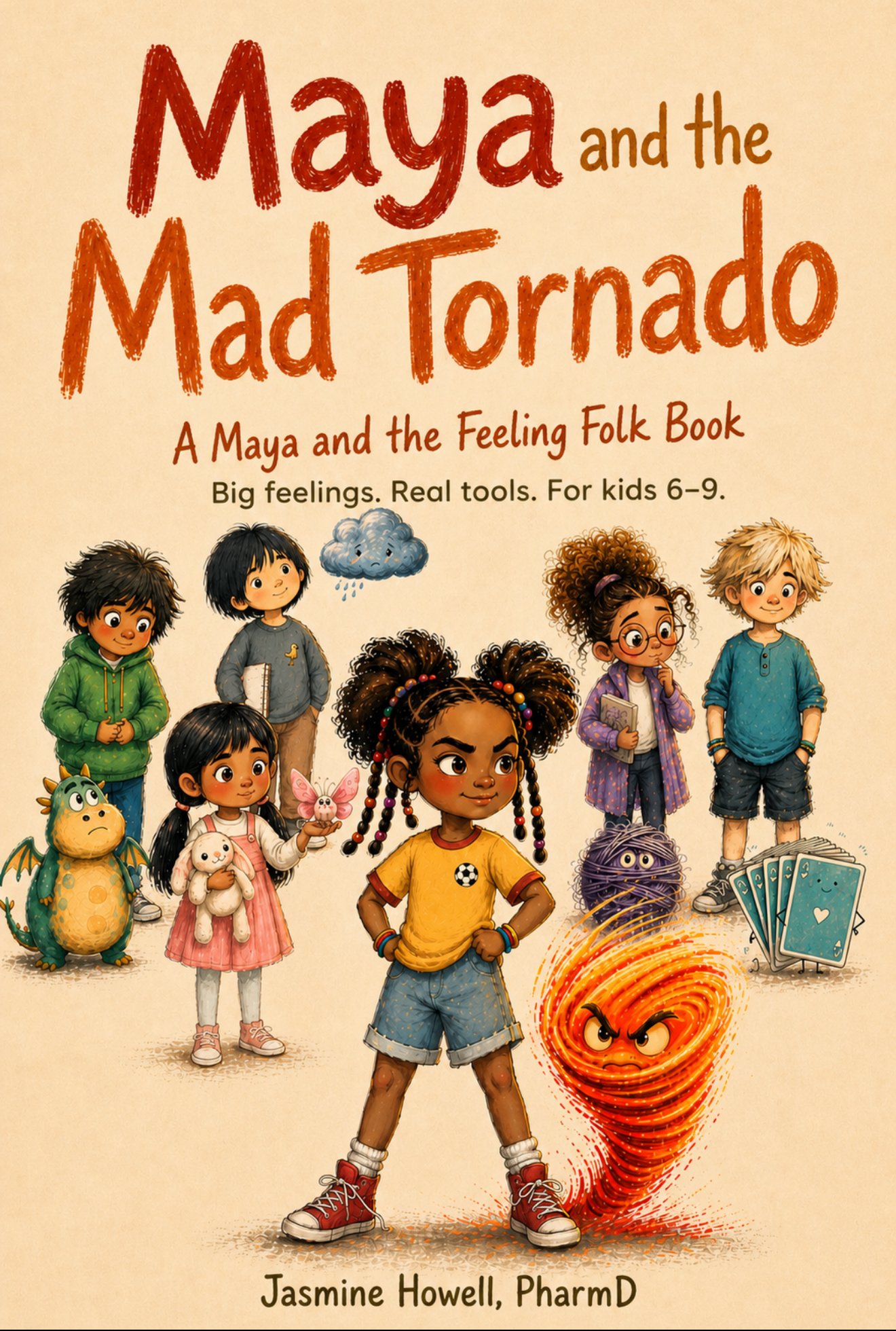
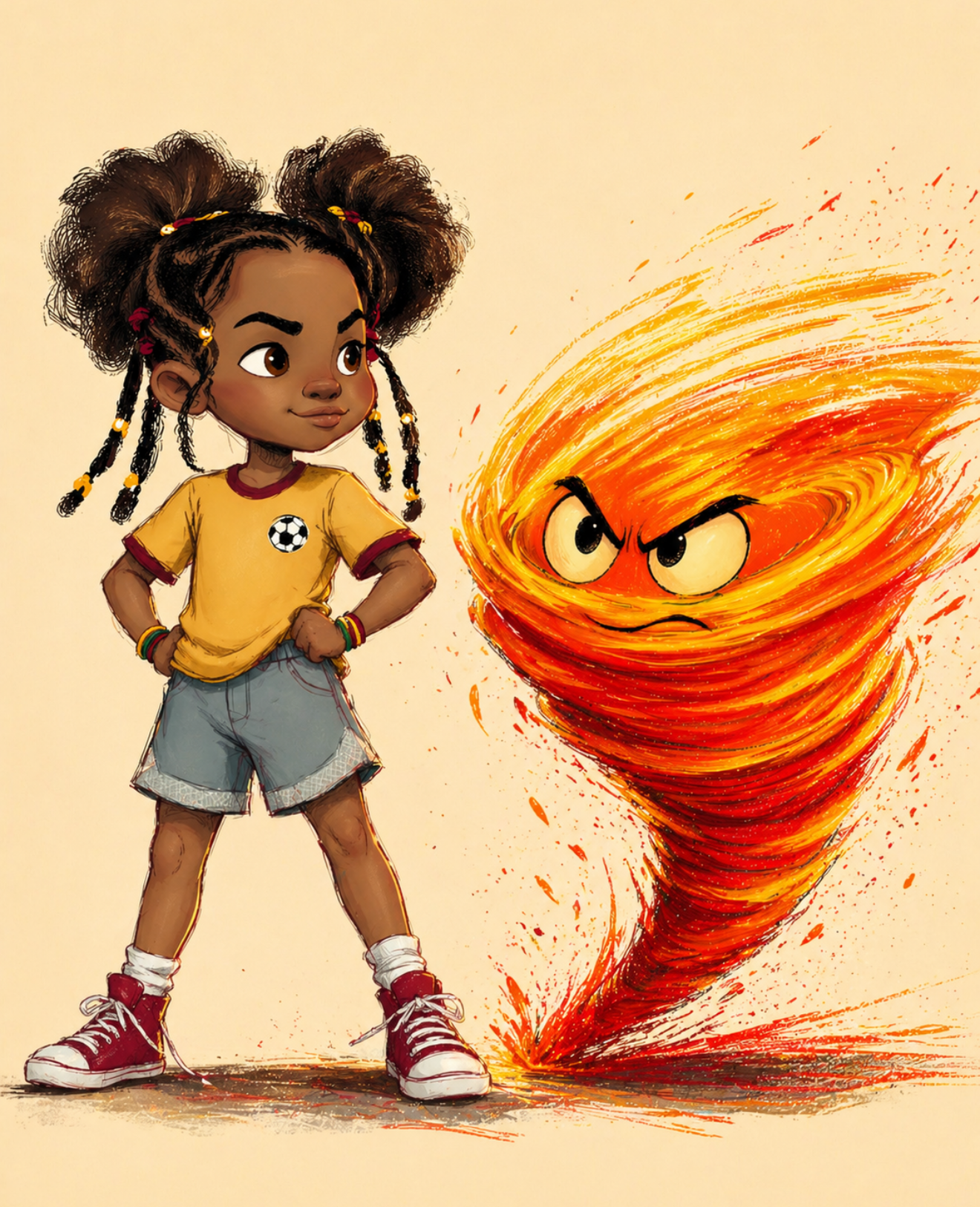
Maya, a Black girl with hair in two braided buns with red beads, wearing a yellow soccer shirt and blue shorts, standing confidently next to Zip — her fiery orange tornado.
Maya & Zip
Big mad feelings

A Black girl learning her anger is a signal, not a problem.

Book 1 · Available now
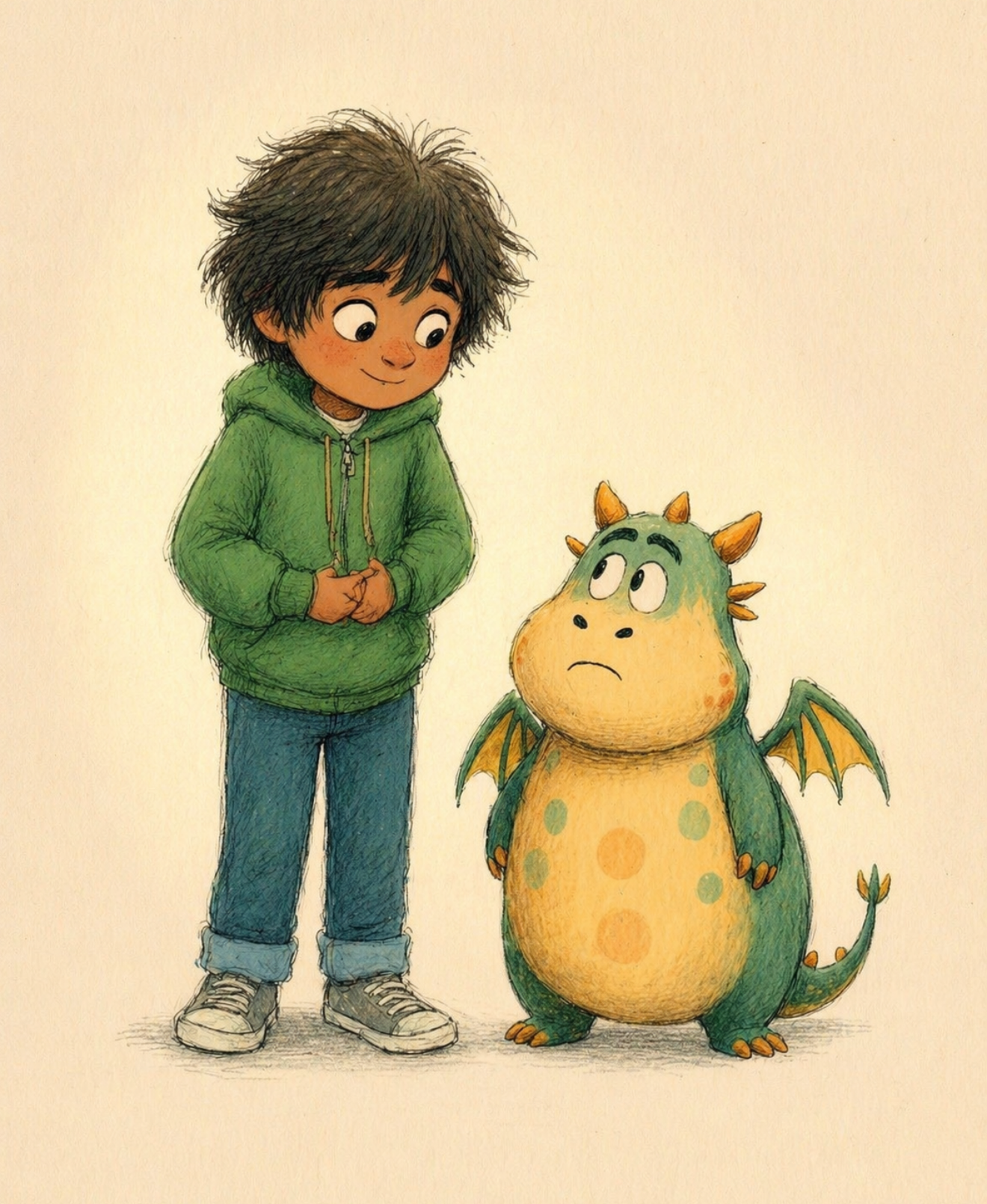
Nico, a Puerto Rican boy with messy dark hair in a green hoodie and jeans, standing next to a small green-and-yellow worry dragon.
Nico
Anxious worries

A Puerto Rican boy meeting the dragon that lives in his belly.

Book 2 · Coming 2027
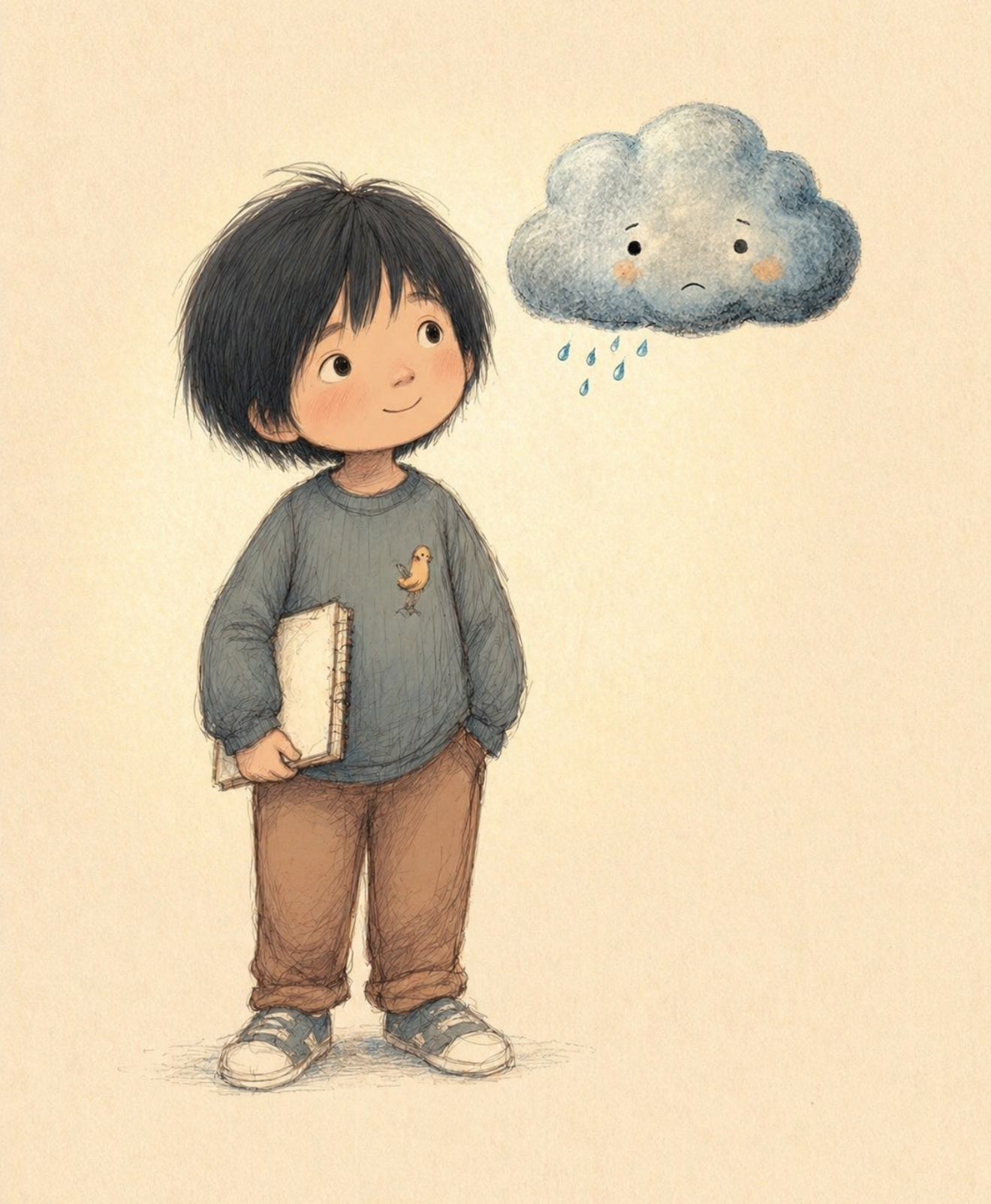
August, a Korean-American boy with shaggy black hair in a gray sweater holding a journal, with a small sad rain cloud floating beside him.
August
Heavy sadness

A Korean-American boy and the rain cloud that follows him sometimes.

Book 3 · Coming soon
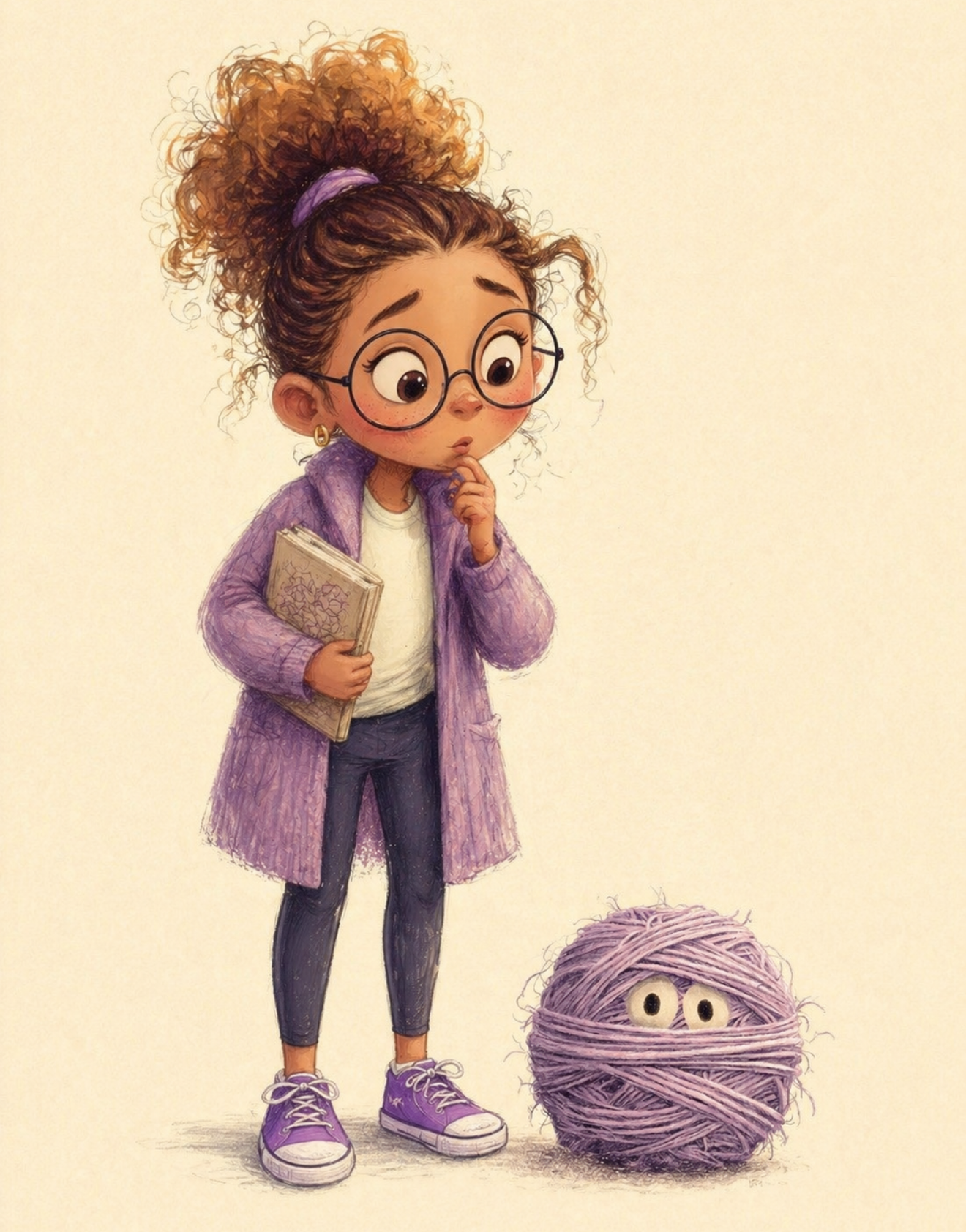
Iris, a biracial girl with curly brown hair in a high puff and round glasses, in a purple cardigan and sneakers, standing next to a tangled purple yarn ball with eyes.
Iris
Sleep worries

A biracial girl learning what to do when bedtime is hard.

Book 4 · Coming soon
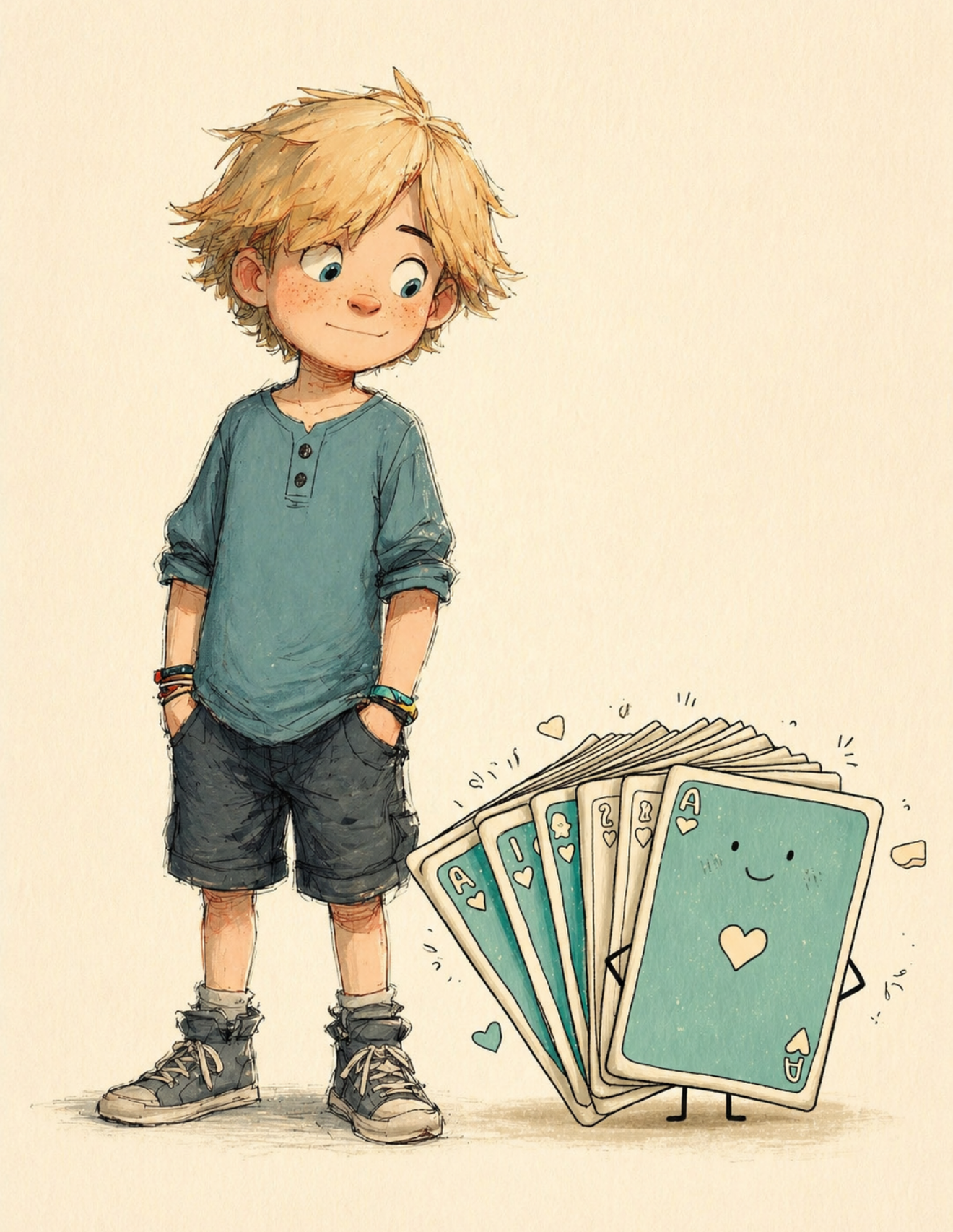
Sam, a rural white boy with messy blonde hair, freckles, in a teal shirt and dark shorts, with a fan of teal playing cards beside him.
Sam
Family changes

A rural country boy whose family is different now — and figuring out what stays the same.

Book 5 · Coming soon
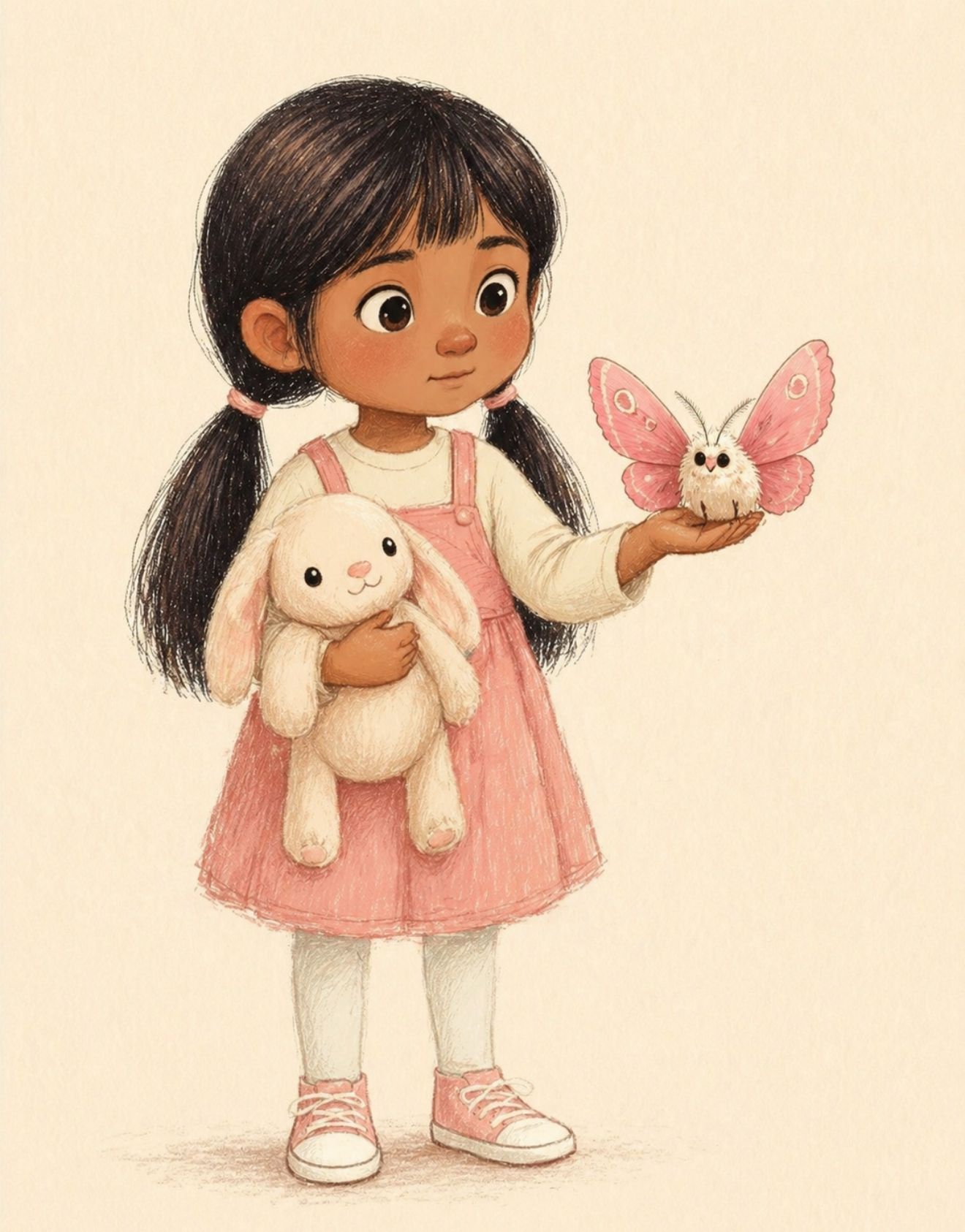
June, a South Indian girl with long black hair in pigtails, in a pink dress, holding a stuffed bunny in one arm and a pink moth gently in her open palm.
June
When someone you love is sick

A South Indian girl finding her way through the hardest kind of love.

Book 6 · Coming soon
A peek inside

What's in the book?

Maya tells her own story — and along the way she shares the real tools she uses when her tornado shows up.

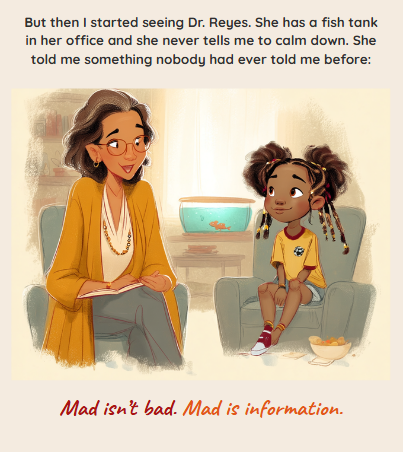
A page from Maya and the Mad Tornado: Maya sits with Dr. Reyes in her office, who tells her 'Mad isn't bad. Mad is information.'
Maya's story
First-person narration with full-color spreads on every page. This moment with Dr. Reyes is where the book turns.
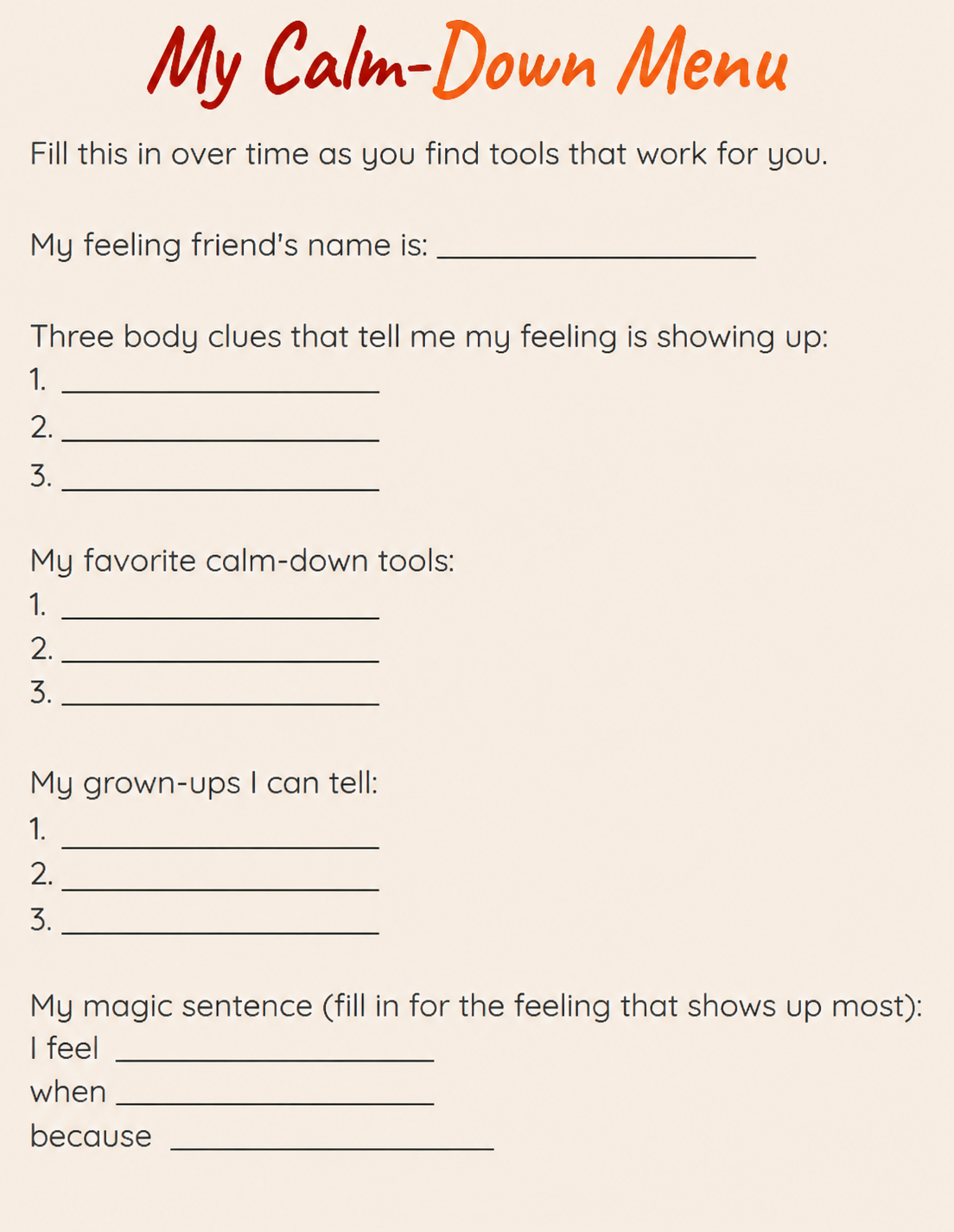
The Calm-Down Menu page from the book — a fillable worksheet where kids name their feeling friend, body clues, calm-down tools, and trusted grown-ups.
The Calm-Down Menu
One of the seven tools from Maya's toolkit — a fillable page kids return to as they discover what works for them.
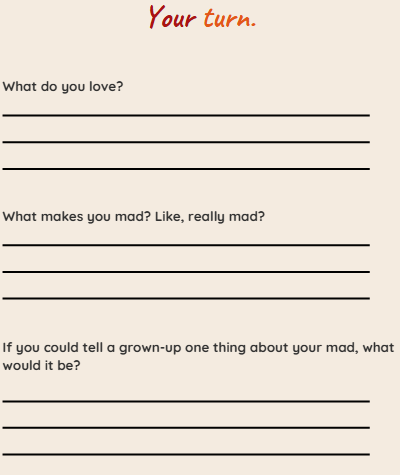
A 'Your Turn' activity page asking children: What do you love? What makes you mad? What would you tell a grown-up about your mad?
Your turn pages
Open-ended prompts woven through the story, inviting kids to write, draw, and try the tools alongside Maya.
For grown-ups

A children's book that takes children's mental health seriously.

Clinically grounded
Maya's seven-tool toolkit translates real CBT, DBT, and ACT skills into a story kids actually want to read. Built by a clinical pharmacist with 10+ years on an active acute psychiatric unit.
Culturally specific
Maya is a Black girl, written with care for Black families and the kids who don't often see themselves on these pages. Each book in the series centers a different culture — not generic diversity, but real specificity built with cultural consultants.
Anger as information
The book gently disrupts the message that anger is bad. Maya learns — and shows young readers — that anger is a signal of unmet need, hurt, fear, or boundary. The work is to listen to it, not to silence it.
For families, schools, and clinicians
A workbook a parent can use at home, a counselor can use in session, and a teacher can use in the classroom. The For Grown-Ups section in the back gives the adults in a child's life the language and clinical context to use Maya well.
Jasmine Howell, PharmD — author of Maya and the Mad Tornado.
Meet the author
Jasmine Howell, PharmD
Clinical pharmacist · Auntie · Cousin · Friend

I've spent more than a decade as a clinical pharmacist on an active acute psychiatric inpatient unit. I've watched adults whose mental health crises started in childhood — in feelings nobody helped them name, in anger nobody told them was information, in sadness or fear or worry that was treated as a problem to manage instead of a signal to listen to.

I'm also an auntie, a cousin, and a friend to a lot of children. They are the loves of my life. They are bright and tender and complicated and beautifully themselves. Some of them move through a world that wasn't quite built for the way they move through it. So I started building.

Maya and the Mad Tornado is the book the children in my life needed. So I wrote it for them, and for every kid who's been told their feelings are too big.

Six books. Six kids. Six big feelings.
1
Maya
Anger
3
August
Sadness
4
Iris
Sleep
5
Sam
Family changes
6
June
Loving someone sick
Free for parents & counselors

Get the Calm-Down Menu printable.

A free download — one of the seven tools from Maya's toolkit, reformatted as a printable for your fridge, your kid's room, your counseling office, or your classroom. Sign up below and we'll send it right over.

No spam. Unsubscribe anytime.
The Calm-Down Menu printable: a fillable worksheet titled 'My Calm-Down Menu' with sections for naming your feeling friend, body clues, calm-down tools, trusted grown-ups, and a magic sentence.
For schools, clinicians & community partners

Bring Maya into your school, clinic, or community.

The Maya Classroom Program is a 6-week social-emotional curriculum for elementary school counselors, anchored by the book and built around real clinical tools. Bulk pricing and pilot site licenses available for schools, healthcare systems, and community organizations.

Request information →